
In light of the recent challenges, our team and their families have faced the heartbreaking necessity of seeking safety. Afghanistan has become increasingly perilous for Afghan human rights activists, including our dedicated members. Some of our journalists have managed to cross the border into Pakistan, while others remain in Afghanistan, suffering from death threats, risking their lives each day and regrettably one of our colleagues Z, has been kidnapped with her family since March 2024.
Meanwhile, in the US, Britain, and Germany—nations that played a significant role through NATO—there have been some responsive actions following the Taliban takeover. However, many Afghans who remain in Afghanistan continue to hold onto the hope of resettlement, desperately seeking a way out of the danger that surrounds them.
Since the intra-Afghan peace negotiations began in September 2020, the situation for journalists and media workers in Afghanistan has deteriorated significantly. Tragically, about a dozen journalists and media workers have lost their lives, victims of targeted attacks aimed at silencing independent voices and reporting.
The impact on the Afghan media landscape has been devastating. Over 100 local media outlets, including radio stations and news agencies, have ceased operations. Many of these outlets have been forcibly closed down, taken over by the Taliban, or driven out of business due to the increasingly hostile environment.
The remaining Afghan media workers face constant threats to their safety. Hundreds of journalists live under the shadow of violence, intimidation, and persecution, simply for doing their jobs. The once-vibrant media landscape in Afghanistan is now under siege, with freedom of the press and the safety of media professionals hanging by a thread.
Based on the Taliban’s track record, both roles could put our teams and their families in danger. The BBC was banned from broadcasting in Afghanistan last year, while the Taliban has regularly been accused of detaining, beating, and torturing Afghan journalists. Rights groups and media outlets have also reported on the continued targeting, disappearing, and retaliatory killing of former Afghan government workers, all of which flies in the face of the Islamic Emirate’s supposed promises of a general amnesty.
Two journalists for Kabul-based newspaper Etilaat-e Roz were detained by Taliban militants while covering a protest for women’s rights, Naqdi, a video journalist, left and Taqi Daryabi, a video editor undressed to show their wounds sustained after Taliban fighters tortured and beat them while in custody. Pictures posted by the newspaper online filled in the rest of the story. They showed clear physical evidence of the floggings and beatings with cables both men were subject to. Daryabi’s lower back, upper legs, and face were covered with deep red lesions. Naqdi’s left arm, upper back, upper legs, and face were also covered in red welts.
On Aug 20.2021 the Taliban fighters hunting a journalist from Deutsche Welle have shot dead one member of his family and severely injured another, the German public broadcaster said, adding that three more of its journalists had had their homes raided.
About: Afghan Human Rights Home
Afghan Human Rights Home, has launched urgent campaigns at GlobalGiving, and other platforms, sincerely appealing to our supporters and donors to stand with our team and their families during these difficult times. We asked for generous contributions, including Christmas charity, to help us take action to protect our colleagues across Afghanistan and Pakistan.
With the support of individual donations, we gather, process, and disseminate news on human rights violations throughout the country, relying on a dedicated network of reporters. These news stories are published to inform the general public, engage various groups in Afghanistan, and mobilize international activists abroad.
As Journalists for Human Rights aptly put it: “When the media puts a spotlight on human rights, people start talking about the issues and demanding change. A strong, independent media acts as a referee between governments and citizens. When human rights are protected, governments become more accountable, and people’s lives improve.”
Testimony from a Member of the Afghan Human Rights Families
Note: To protect the victims’ identities, we do not use their names in this report.
KH.R
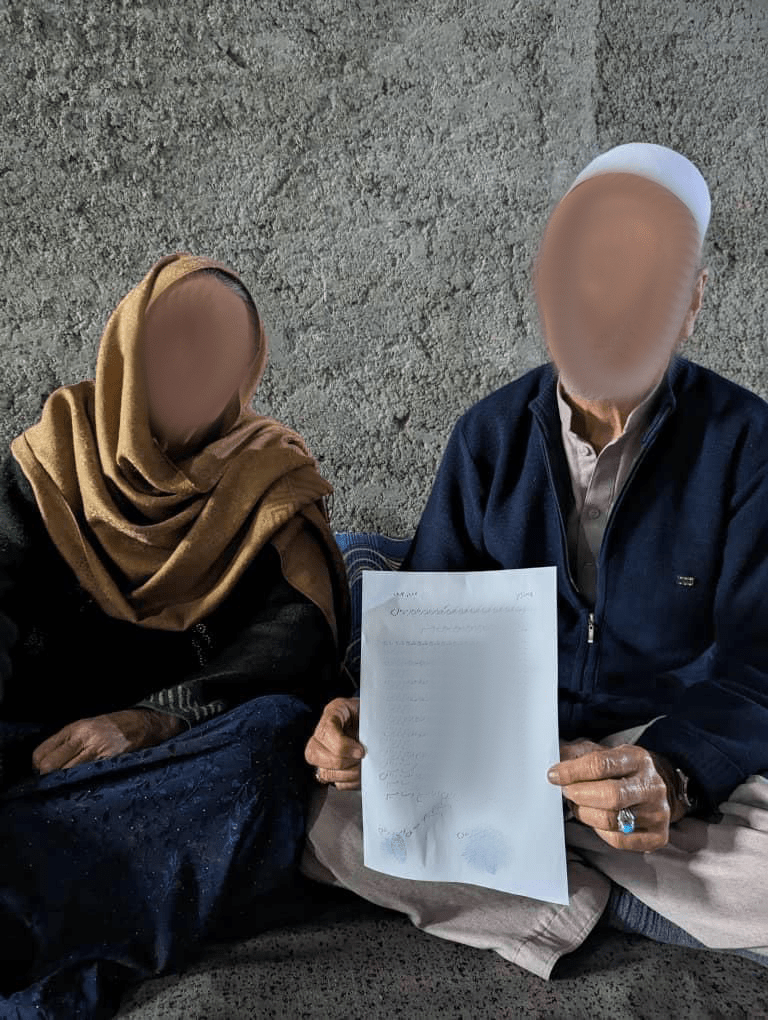
KH.R is a resilient advocate for education, women’s rights supporter, equality, and anti-extremism within the Hazara community of Afghanistan. Despite being targeted by both religious fundamentalists, such as the Taliban, and his own conservative Hazara community for his progressive views, he has remained steadfast in promoting education as the solution to Afghanistan’s challenges. His opposition to paying religious tithes to clerics and descendants of the Prophet Muhammad (sayyeds) earned him death threats, highlighting his fight for social justice and against religious hierarchies. As an independent political candidate in 2009, he faced intense opposition and violence from corrupt officials, leading him to shift his focus from politics to education, where he continued to support Hazara youth and advocate for their empowerment. His work as a local history researcher further underscores his dedication to preserving Hazara history and identity amidst significant personal sacrifice.
KH.R and his family start living under immense stress and fear due to ongoing threats and persecution from the Taliban. His daughter-in-law, Z, who had a prominent research and policy background, also faced significant danger due to her professional connections and role in the Afghan government. After multiple threats and an unsuccessful evacuation attempt, the family was forced into hiding, frequently relocating to escape persecution.
The Taliban’s attempts to capture them escalated in March 2024 when Z , her husband (the KH.R’s son), and their children were taken hostage. Since then, there has been no contact with them, leaving the KH.R and his wife in a state of uncertainty and grief, fearing for their loved ones’ lives. The family’s situation is one of constant fear, hiding, and loss, as they navigate the danger posed by the Taliban due to their identity and past advocacy work.
The return of the Taliban has worsened the plight of the Hazara people, leading to widespread deprivation, marginalization, and persecution. Many activists have fled the country, while others live in hiding. False propaganda has portrayed him and his family as anti-religious, resulting in numerous death threats and forcing them to leave their home. His son, daughter-in-law, and their two children have been kidnapped. He hears different stories about their fate, some so terrible that he cannot bear to repeat them. Yet, despite this, he clings to hope, searching for them through limited but trustworthy contacts and keeping in touch with others in the faint hope of their freedom. However, with each passing day, the chances of their return grow slimmer.
The Taliban’s resurgence has not only endangered his family but also the entire Hazara community, which has been systematically targeted due to their ethnicity and beliefs. KH.R sees his family’s struggle as a reflection of the persecution faced by thousands of Hazaras, who are being denied basic rights and forced into exile or underground life. Without international attention, their voices may fade, and more lives will be lost. KH.R believes the global community has a responsibility to recognize this crisis and provide refuge and support for those vulnerable under Taliban rule. While his hope for the return of his family diminishes daily, he holds on to the hope that the world will not forget the Hazaras and that action will be taken to prevent further tragedies like the one he faces.
F. Malistani
F. Malistani is a midwife and local activist from a family of human rights defenders. While her siblings escaped to Europe, she and her children remain in Afghanistan, where they are under constant threat. Her brother, B.S, is an outspoken activist, making her a target for extremists, including the Taliban.
Since 2010, F. Malistani has worked in Ghazni Province as a midwife for the Afghan Development Association and other organizations. She also assisted victims of rape and sexual assault, actions that gained her additional enemies among religious extremists. Her work, combined with her identity as a Hazara atheist and supporter of women’s rights, made her vulnerable.
When the Taliban took over Malistan in 2021, she fled to Kabul with help from the Afghan Human Rights Writers’ team. While in hiding, she continued volunteering for human rights organizations until the Taliban’s capture of Kabul. Attempts to escape the country failed, and now she lives in Kabul with her four daughters. Her eldest, 13-year-old P. Malistani, has dropped out of school due to safety concerns. Instead of pursuing her dream of becoming a doctor, she has been sent to Malistan for protection.
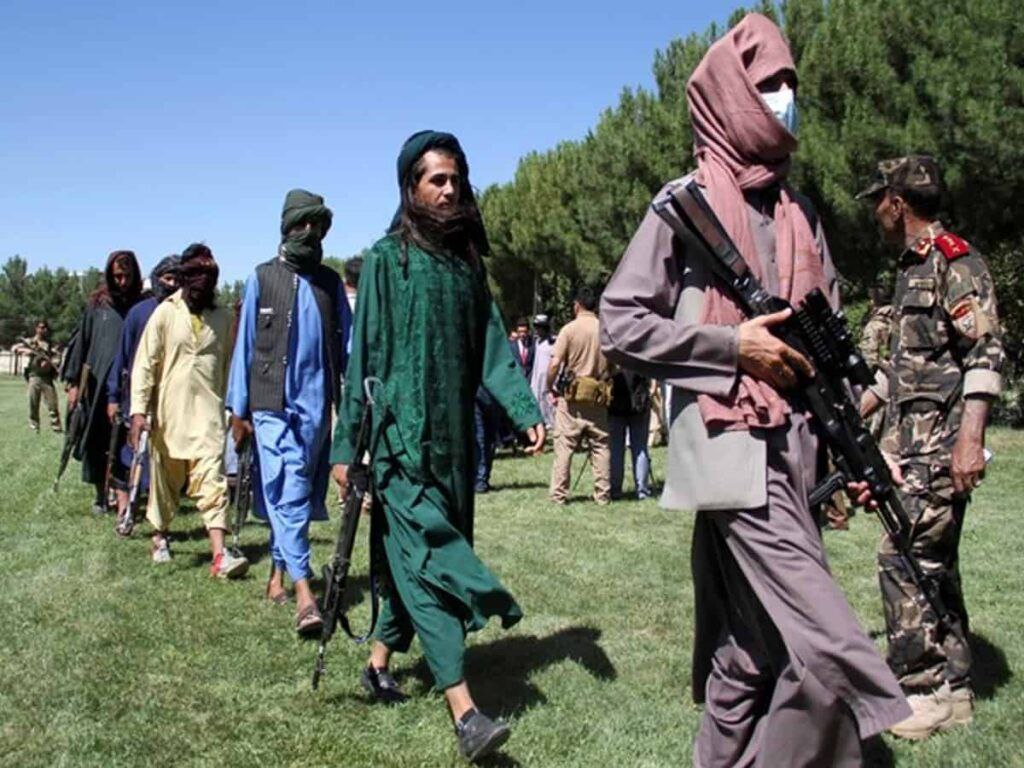
As part of the Hazara minority and a human rights activist, F. Malistani faces severe threats from extremist groups, including the Taliban and ISIS, who target ethnic minorities, activists, and women. Under Taliban rule, she has lost her right to work and live freely, and her life remains in grave danger.
When the Taliban attacked the Malistan district in 2021, she was working in that area. Her brother called her to leave Malistan immediately and find a safe shelter in Kabul City until further notice. She relocated to Kabul, with the help of the Afghan Human Rights Writers’ team. She was living in their Kabul office. Since the Asia Culture House and Afghanistan Human Rights Home were at the same office, she helped them with volunteer work until the Taliban took over the Kabul capital. Chaos began and she tried to escape the country many times but she couldn’t.
Throughout her career as a midwife, she helped many victims of rape and sexual assault safely undergo abortion. Some of these were teenage girls. These children and women were not in a position to give birth because of the immense trauma and physical health problems. In the male-dominated, conservative society, these girls would have been silent victims of honor killing or their personal lives would have been destroyed forever. Afghan society is against abortion, regardless of the circumstances. These humanitarian gestures have created additional enemies among the Shiite religious extremists.
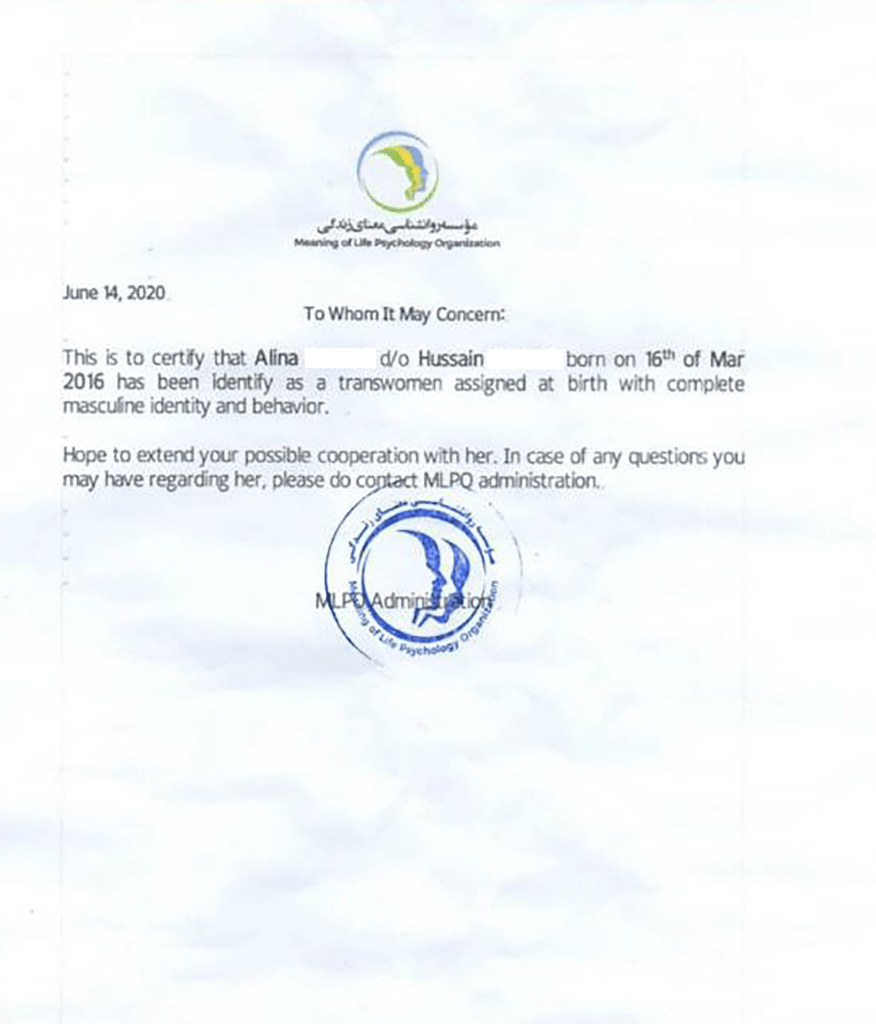
In the past 10 months, F. Malistani sheltered Gul, Alina 15 years old, is a transgender kid and her family is no longer able to hide his identity as he is growing society has started to abuse him because his appearance does not match his identity.
Victims of violence have been sheltered for many years across Afghanistan, these safe houses due to the dangers and Taliban takeover faced serious challenges, and the women needed immediate intervention for help. Beating, rape, physical and sexual violence, and forced marriage are among the most common forms of gender-based violence in Afghanistan as in many countries.
The situation for minority groups in Afghanistan, including the Hazara community, is dire. As the mother of Gul, Alina said: My child’s gender identity has become a significant threat to our family. As parents, we are poor and lack the resources to protect our child, Alina. Young men in our neighborhood who have joined the Taliban have harassed, physically assaulted, and attempted to sexually abuse Alina. They attacked our home, throwing stones at our door, accusing us of violating Islamic rules by allowing our daughter to behave like a boy. We had no choice but to flee.
Alina’s mother said: We cannot afford to relocate, and Alina is becoming increasingly isolated. Even our own relatives mock and mistreat him, and if they find him alone, they cruelly assault him because of his gender identity. This situation has deeply affected our entire family. Alina is no longer safe, and the constant fear and harassment have led to depression and anxiety disorders. As he grows older, society has become even more conservative and traditional, forcing us to move frequently in search of safety.
The report is insisting on the request for assistance in evacuating a transgender minor from Afghanistan. For privacy reasons, the name used here is a pseudonym. The real individual is a 15-year-old transgender girl facing severe risks due to her identity as she is now living with F.Malistani who sheltered her with the urgent request of their family.
More about Gul Alina,
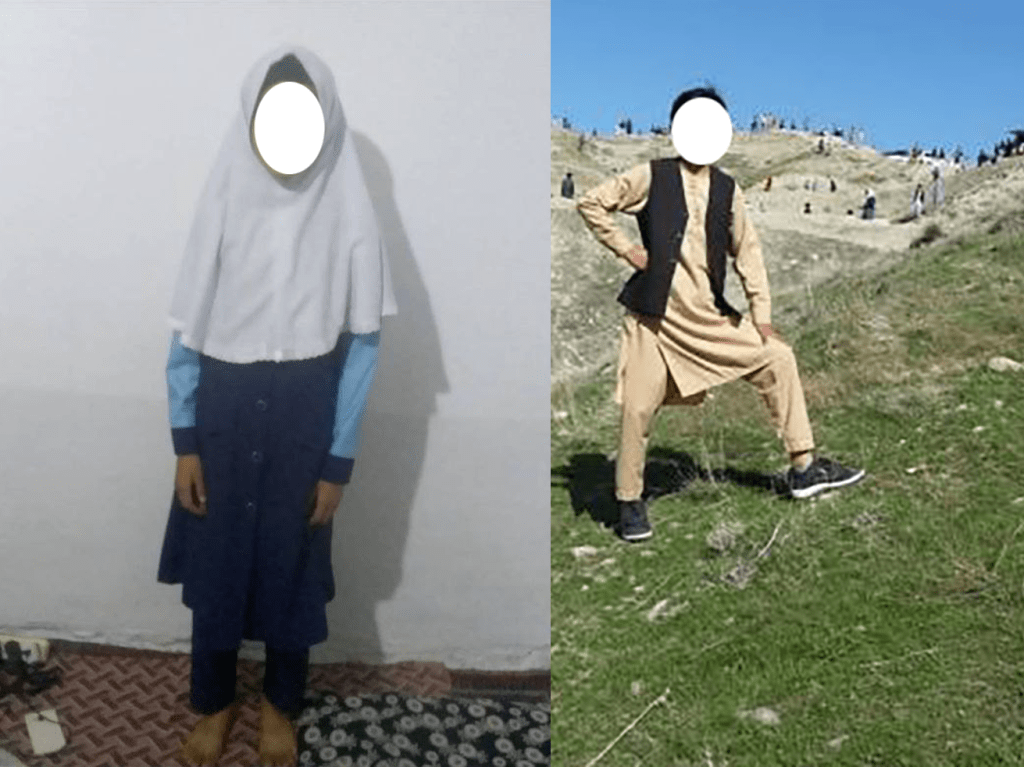
Her family lived in Kabul District 6 and used to send Gul, Alina to a girl’s school in District 13 because Alina lived as a boy around the house but had to go to school as a girl. Since August 2021 they had to live hidden all the time due to Alina’s situation as the situation dramatically worsened. Alina is growing up and there is no chance to hide Alina’s identity anymore. Her mother provided housekeeping services such as washing clothes and cleaning to be able to support my family.
Since the Taliban took control of Afghanistan in late August, the persecution of the LGBT+ community has intensified, forcing many individuals to live in hiding and in constant fear for their lives. The Taliban regime poses an existential threat not only to journalists and media activists but also to minority groups throughout the country.
Historically, the Taliban’s rule has been marked by severe repression of ethnic groups, and this pattern of violence continues today. The situation for the LGBT+ community in Afghanistan has always been precarious. Same-sex relations have long been considered taboo and criminalized in this Muslim-majority country. Under the Taliban regime and similar fundamentalist governments, non-heterosexual relationships are illegal and can result in severe penalties, including the death penalty or long prison sentences.
F. Malistani fully understands the complexity of the situation, especially given the current uncertainties surrounding the program. It deeply saddens her to hear that politicians are actively working to halt this vital initiative, which only heightens her concern for the family and other vulnerable individuals facing severe threats.
F. Malistani and her colleagues have started documenting the worsening conditions for minorities since the Taliban assumed power. The ongoing efforts of our office to support Gul, Alina, and her family remain a significant topic of concern. She continues to be deeply troubled by their safety and the challenges they face.
The plight of activists and LGBTQ+ community members under the Taliban’s rule is increasingly dire. The lack of a proper transition of power has left women, children, LGBTQ+ individuals, and activists like our journalist colleague Z, in a precarious situation, representing a grave failure in the protection of human rights. Unfortunately, it seems the international community is largely overlooking this ongoing crisis.
Conclusion ;
Afghan Human Rights News was an online human rights media platform in Persian that we launched in 2009, and we continued our mission to speak up and protect the human rights of all Afghan citizens regardless of their religion, political views, social status, gender, or ethnicity.
@Basir Seerat and Fatima H. Bakhsh


 Afghan Human Rights Home